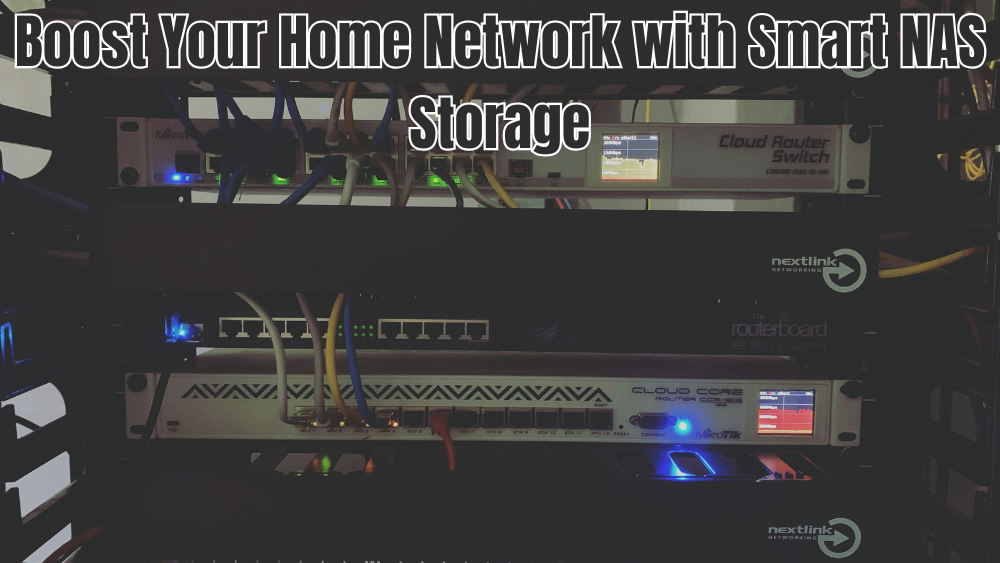
In the digital age, data is more than just files; it’s our lives, memories, and livelihood. Whether you're working remotely, managing a small business, streaming multimedia content, or simply safeguarding family photos, having reliable storage is crucial. That’s where Network Attached Storage (NAS) steps in — a powerful, scalable, and surprisingly affordable solution that transforms your home network into a data command center.
What is NAS and Why Does Your Home Need It?
A Network Attached Storage (NAS) device is essentially a centralized data hub — a storage system connected to your network that allows multiple users and devices to retrieve data from centralized disk capacity. Think of it as your personal data cloud, but without the recurring subscription fees and security trade-offs of third-party services.
Key Benefits of Smart NAS Storage
-
Centralized Storage: Access all your files from any connected device.
-
Automatic Backups: Schedule regular backups for your devices.
-
Data Security: Most NAS devices come with RAID protection, encryption, and access controls.
-
Media Server Capabilities: Stream movies, music, and photos seamlessly across your network.
-
Remote Access: Connect to your files from anywhere in the world.
Affordable Network Storage Solutions for Every Household
Gone are the days when NAS systems were only for big corporations. Today’s consumer NAS options are surprisingly cost-effective and user-friendly.
Top Affordable NAS Options
-
Buffalo TeraStation 3420 4-Bay SMB 16TB Desktop NAS Storage (with Hard Drives Included): Perfect for home users and small businesses. With four bays and 16TB capacity, it supports robust backup and file sharing.
-
Buffalo TeraStation 3420 4-Bay Rackmount NAS (16TB): Ideal for structured home networks or small office environments with server racks.
Best NAS for Home Use in 2025
As we move into 2025, the demand for smarter, faster, and safer data solutions continues to grow. Here’s a look at some of the top-rated NAS systems 2025 has to offer:
1. Buffalo TeraStation 5420 4-Bay 16TB Business Rackmount NAS
-
RAID 0/1/5/6/10 support
-
Advanced data encryption
-
High transfer speeds ideal for media editing or business use
2. Buffalo TeraStation 51220 12-Bay 240TB Business Rackmount NAS
-
Massive capacity for enterprise-grade data management
-
Perfect for growing businesses or media-intensive households
-
Future-proof scalability
Secure Data Backup NAS: Protection You Can Count On
Data loss is no longer an if, but a when. A secure data backup NAS ensures that your files are safe even when your devices fail.
Backup Strategies with NAS:
-
RAID Configuration: Mirrors or spreads data to prevent loss.
-
Snapshot Functionality: Restore data to a previous state quickly.
-
Cloud Sync Options: Combine NAS with cloud services for hybrid backup solutions.
Personal Cloud Storage Device vs. Public Cloud
The NAS vs cloud storage comparison often comes down to control, privacy, and long-term costs.
| Feature | NAS | Cloud Storage |
|---|---|---|
| Ownership | Full | Subscription-based |
| Privacy | High (local network) | Medium (third-party servers) |
| Customization | Extensive | Limited |
| Speed | Fast (LAN access) | Dependent on internet speed |
| Cost Over Time | One-time | Recurring |
With a personal cloud storage device, you’re in control of your data. No more worrying about vendor lock-in or subscription hikes.
Easy-to-Use NAS Devices for Beginners
Not tech-savvy? No problem. Many NAS systems are designed with user-friendliness in mind.
Features to Look For:
-
Web-based setup wizards
-
Mobile apps for iOS and Android
-
One-click backups
-
Visual dashboards for storage monitoring
Home NAS Server Setup: Getting Started
Setting up your home NAS server may sound intimidating, but it’s easier than you think.
Step-by-Step Setup:
-
Choose your NAS: Consider capacity, performance, and features.
-
Install drives: If not pre-installed, plug in SATA drives (like the Buffalo OP-HD4.0N 4TB Internal SATA Drive).
-
Connect to your router: Use an Ethernet cable for optimal speed.
-
Access the NAS UI: Use your web browser to configure settings.
-
Create user profiles and shares: Organize access for family or colleagues.
-
Schedule backups and set permissions.
NAS Storage for Small Businesses
For entrepreneurs and small offices, NAS offers robust features previously exclusive to large enterprises.
Business Benefits:
-
Employee file access from anywhere
-
Automated backups for multiple PCs
-
Scalable storage that grows with your business
-
Data recovery and redundancy features
The Buffalo TeraStation series is an excellent example of NAS storage for small businesses, offering reliability, security, and top-tier support.
Network Storage for Media Streaming
Are you a movie buff or music lover? A NAS can act as your home’s personal Netflix.
Streaming Features:
-
DLNA and Plex support
-
Transcoding for various devices
-
Simultaneous streams to TVs, tablets, and phones
-
Remote media access
Turn your NAS into the centerpiece of your digital entertainment hub.
How to Choose the Best NAS for Home Use
There’s no one-size-fits-all. The right NAS depends on your needs, budget, and tech skill level.
Key Considerations:
-
Storage Capacity: 4TB might be enough for basic needs; power users may need 20TB or more.
-
Number of Bays: More bays = more scalability.
-
Processor and RAM: Crucial for multitasking and media streaming.
-
RAID Support: Helps prevent data loss.
-
Connectivity: Look for dual Ethernet ports and USB options.
The Future of Home Networks is Smart NAS Storage
NAS technology has grown from a niche tool for IT pros to a household necessity. Whether you’re backing up files, running a small business, streaming content, or replacing cloud services, smart NAS storage empowers you with control, reliability, and peace of mind.
With options ranging from the affordable Buffalo TeraStation 3420 to the enterprise-ready Buffalo TeraStation 51220, there’s a solution for every level of user.
Start building your personal cloud today — because your data deserves a smart home too.