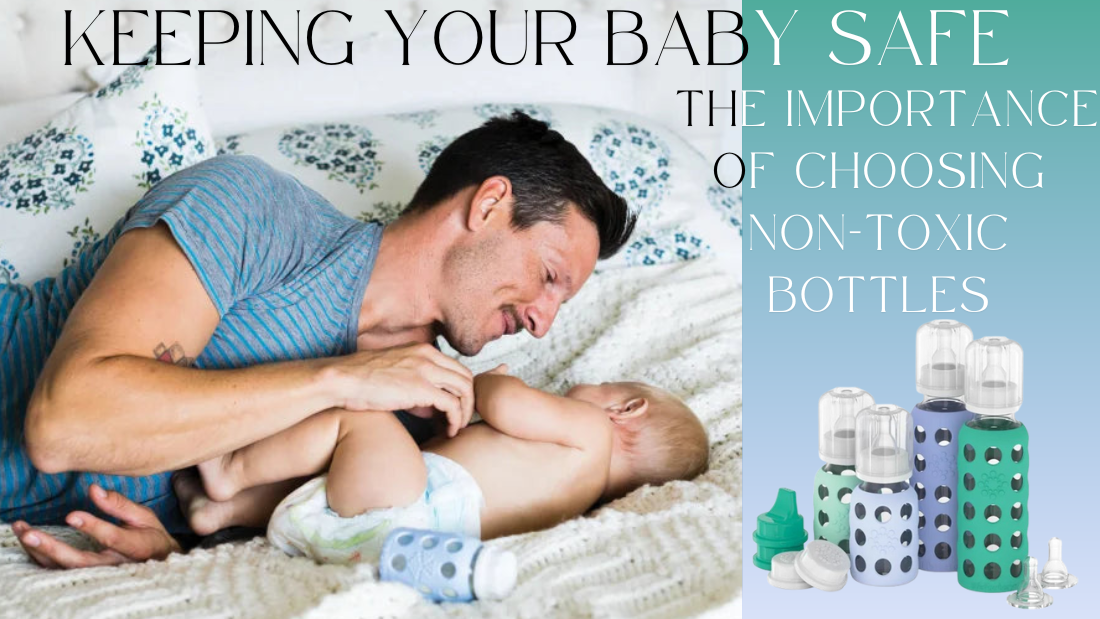
As a new parent, you want the best for your baby—especially when it comes to feeding. But did you know that some bottles contain harmful chemicals that could affect your baby's health? Choosing non-toxic baby bottles isn’t just about convenience; it's about safety. From BPA-free feeding bottles to heat-resistant glass baby bottles, selecting the right one ensures your baby gets a chemical-free start in life.
In this guide, we'll break down everything you need to know about safe baby feeding options, including the benefits of glass baby bottles vs. plastic, how to clean them properly, and where to find the best baby bottle starter sets for new parents.
Why Choose Non-Toxic Baby Bottles?
Your baby’s bottle should be free from harmful chemicals like BPA, phthalates, and lead. Here’s why BPA-free baby bottles are a must:
Safer for your baby – No leaching of toxic chemicals into milk. Better for the environment – Sustainable and recyclable options like eco-friendly baby bottles help reduce plastic waste. Durable and long-lasting – Many heat-resistant glass baby bottles can withstand high temperatures without degrading. Odor and stain-resistant – Unlike plastic, glass baby bottles don’t absorb smells or discolor over time.
Want a great start? Check out these Lifefactory® glass baby bottle starter sets:
Glass vs. Plastic Baby Bottles: Which One’s Better?
If you’ve been wondering, “Are glass baby bottles better than plastic?”, here’s a quick comparison:
| Feature | Glass Baby Bottles | Plastic Baby Bottles |
|---|---|---|
| Safety | 100% chemical-free | Can contain BPA or microplastics |
| Durability | Strong but can break | Lightweight but may degrade over time |
| Temperature Resistance | Heat-resistant glass maintains milk freshness | Can warp with repeated heating |
| Eco-Friendliness | Sustainable and recyclable | Adds to plastic waste |
| Maintenance | Easy to sterilize and odor-free | Absorbs smells and stains |
The verdict? Glass baby bottles, like Lifefactory®, are the safer, long-term choice!
Best Baby Bottles for Newborns: Top Picks
If you’re looking for the best bottles for breastfed babies, consider these options:
-
Lifefactory® Glass Baby Bottles – Durable, eco-friendly, and chemical-free.
-
Silicone Sleeve Glass Bottles – Provide grip and protection against accidental drops.
-
BPA-Free Feeding Bottles – Essential for newborns to avoid harmful toxins.
Shop for safe baby feeding options here.
How to Clean and Sterilize Glass Baby Bottles
Want to keep your baby's bottles in top shape? Follow these easy steps:
-
Rinse Immediately – Wash with warm, soapy water after each use.
-
Boil for Deep Cleaning – Submerge bottles in boiling water for 5 minutes.
-
Use a Bottle Brush – Clean the inside thoroughly.
-
Air Dry – Let them dry completely to prevent bacteria buildup.
FAQs About Non-Toxic Baby Bottles
1. Do glass baby bottles keep milk fresher?
Yes! Glass baby bottles maintain temperature better than plastic, keeping milk fresher for longer.
2. Are glass baby bottles better than plastic for travel?
Glass bottles are heavier, but silicone sleeve glass bottles add protection, making them a safe travel option.
3. What’s the best baby bottle starter set for new parents?
A baby bottle starter set, like the Lifefactory® 4-pack, is a great way to begin!
4. How do I prevent my glass baby bottles from breaking?
Use silicone sleeve glass bottles to reduce impact and always handle with care.
Give Your Baby the Best Start
When it comes to feeding your baby, safety comes first. Non-toxic baby bottles—especially BPA-free, heat-resistant glass baby bottles—are a smart, eco-friendly choice. Whether you're looking for a baby bottle starter set or simply wondering how to clean and sterilize glass baby bottles, making an informed choice ensures your baby gets the healthiest start possible.
Ready to make the switch? Explore chemical-free baby bottles here.