Sun protection isn’t just for summer beach days — it’s essential 365 days a year. Harmful UV rays don’t take a break, and neither should your skincare routine. Wearing sunscreen daily protects your skin from premature aging, sunburns, and even skin cancer.
But with so many options on the market, how do you choose the best sunscreen? This comprehensive guide will help you understand everything from SPF levels to application tips. Plus, we’ve included a link to an incredible range of sun protection products for you to check out right here: Shop the Best Sunscreens at SkinHelpZone.
Why Do You Need Sunscreen Year-Round?
Many people believe sunscreen is only necessary during summer or on sunny days. This couldn’t be further from the truth! The sun's ultraviolet (UV) rays can penetrate through clouds, glass windows, and even on the coldest winter days. Here’s why year-round protection is essential:
- UVA and UVB Rays Are Always Active: UVA rays cause skin aging, while UVB rays are responsible for sunburns. Both types are active throughout the year.
- Prevents Premature Aging: Daily use of sunscreen prevents fine lines, wrinkles, and age spots.
- Reduces Risk of Skin Cancer: Prolonged UV exposure is a leading cause of skin cancer. Consistent use of sunscreen reduces this risk.
- Prevents Hyperpigmentation: Sun exposure can cause dark spots and uneven skin tone, especially for those with sensitive or melanin-rich skin.
Understanding SPF: What Does It Really Mean?
SPF stands for Sun Protection Factor, and it’s a crucial element when choosing sunscreen. But what do those numbers actually mean?
- SPF 15: Blocks around 93% of UVB rays. Ideal for low sun exposure.
- SPF 30: Blocks about 97% of UVB rays. Suitable for everyday use.
- SPF 50: Blocks up to 98% of UVB rays. Best for long outdoor exposure.
While SPF 50 offers better protection than SPF 30, no sunscreen can block 100% of UV rays. Dermatologists recommend at least SPF 30 for daily use. If you have sensitive skin or plan to be outside for long hours, opt for SPF 50.
Pro Tip: Reapply every two hours, especially after swimming, sweating, or towel-drying.
Types of Sunscreen: Chemical vs. Mineral (Physical)
Not all sunscreens work the same way. Here's a breakdown of the two main types of sunscreen:
1. Mineral Sunscreen (Physical Sunscreen)
- How It Works: Sits on top of the skin and reflects UV rays like a shield.
- Key Ingredients: Zinc oxide, titanium dioxide.
- Best For: Sensitive skin, children, and those with allergies to chemical filters.
- Pros: Provides immediate protection after application.
- Cons: Can leave a white cast on darker skin tones.
2. Chemical Sunscreen
- How It Works: Absorbs UV rays and converts them into heat, which is then released from the skin.
- Key Ingredients: Avobenzone, oxybenzone, octisalate, and octocrylene.
- Best For: Daily wear, swimming, and sports.
- Pros: Lightweight, blends easily, no white cast.
- Cons: May irritate sensitive skin and needs 15-30 minutes to be effective.
Which Should You Choose?
If you have sensitive skin or want to avoid chemicals, go for a mineral sunscreen. For a more lightweight feel that’s easier to apply, a chemical sunscreen is your best bet.
How to Choose the Right Sunscreen for Your Skin
Selecting the right sunscreen can be tricky, but you can narrow it down by considering these factors:
-
Skin Type
- Oily Skin: Choose an oil-free, non-comedogenic sunscreen to avoid clogged pores.
- Dry Skin: Look for sunscreens with hydrating ingredients like hyaluronic acid or ceramides.
- Sensitive Skin: Opt for mineral-based sunscreens that avoid harsh chemicals.
-
Activity Level
- For water sports or outdoor activities, choose a water-resistant sunscreen.
- Daily use indoors may not require water-resistant sunscreen but make sure to reapply throughout the day.
-
Ingredients to Avoid
- Oxybenzone: Known to disrupt hormones and cause allergic reactions.
- Fragrances: Can irritate sensitive or allergy-prone skin.
Pro Tip: For maximum protection, look for labels that say "broad-spectrum," which means they protect against both UVA and UVB rays.
Application Tips for Maximum Sun Protection
Even the best sunscreen won’t protect you if it’s applied incorrectly. Follow these tips to stay sun-safe:
-
Use Enough Sunscreen
- Apply a shot-glass-sized amount for your body and a nickel-sized amount for your face.
-
Apply Before Exposure
- Chemical sunscreens should be applied 15-30 minutes before sun exposure.
-
Reapply Frequently
- Reapply every two hours or immediately after swimming or sweating.
-
Don’t Forget These Spots
- People often forget to protect areas like the ears, lips, neck, back of hands, and feet. Use lip balms with SPF to protect your lips.
-
Use Sunscreen Under Makeup
- Apply sunscreen first, let it dry, and then apply makeup.
Best Sunscreen Products You Should Try
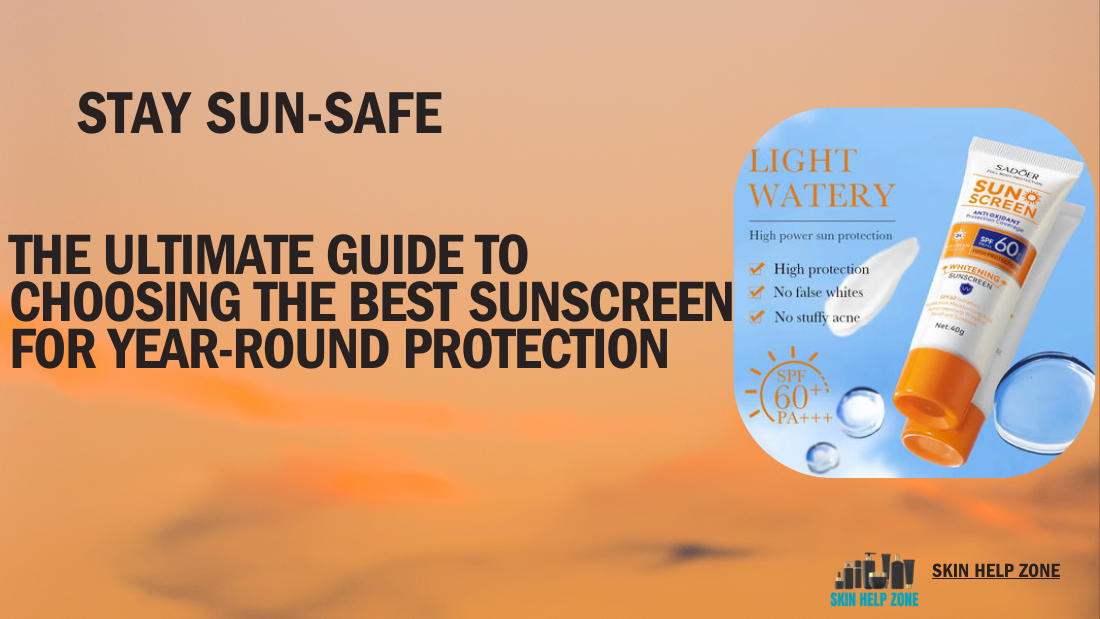
If you’re ready to start your sun-safety journey, check out these amazing products from SkinHelpZone. They offer a variety of sun protection products tailored to all skin types. Whether you’re looking for a lightweight daily sunscreen or a heavy-duty outdoor shield, they’ve got you covered.
Here are a few of the top products to explore:
- Everyday Moisturizing Sunscreen: Hydrates while protecting your skin.
- Sport Sunscreen: Water-resistant formula perfect for sports enthusiasts.
- Mineral-Based Sunscreen: Safe for sensitive skin and children.
Visit SkinHelpZone to shop for high-quality sunscreen products that keep your skin glowing and protected.
Frequently Asked Questions (FAQs)
Q1: Do I need sunscreen on cloudy days?
Yes! Up to 80% of UV rays can pass through clouds, so you still need protection on overcast days.
Q2: Can I use sunscreen on children?
Absolutely. For babies under six months, seek guidance from a pediatrician. For children over six months, use a mineral-based sunscreen.
Q3: Is higher SPF better?
Not necessarily. SPF 30 blocks 97% of UVB rays, while SPF 50 blocks 98%. The difference is minimal, so reapplying is more important than using a higher SPF.
Q4: How long does sunscreen last after application?
Sunscreen lasts for two hours, but it should be reapplied immediately after swimming, sweating, or towel-drying.
Q5: Can I use expired sunscreen?
No. Sunscreen loses its effectiveness after the expiration date, reducing its protection. Always check the date before using it.
Stay Sun-Safe All Year Round
Sunscreen is your skin’s best friend, no matter the season. From preventing premature aging to reducing the risk of skin cancer, it’s one of the simplest, most effective steps you can take for your health.
Don’t forget to choose a sunscreen that suits your skin type, reapply it frequently, and stay aware of sun exposure — even indoors. Need help finding the right sunscreen? Check out the wide range of sun protection products available at SkinHelpZone.
So, protect your skin, glow with confidence, and keep those UV rays at bay all year long.